
Oct 20, 2026Sustainability & Responsible Manufacturing
Recycled Nylon for Custom Bike Bags: What GRS Documentation Proves
GRS proves recycled content for one material - not the whole bag. What a Scope Certificate and a Transaction Certificate cover for EU bike brands.
Short answer: a GRS certificate proves recycled content for a specific material and order - not the whole bag. A Scope Certificate says what a supplier may offer; a Transaction Certificate ties the material to your batch. Check both, then test performance separately. Send your material brief and we will map the documents.
Choosing recycled nylon for a bike bag involves more than choosing a fabric with an environmental claim. Buyers need to know where the recycled content comes from, which documents support it, and whether the material meets the product's performance requirements.
For e-bike and cargo-bike brands, these questions belong in the same material brief. A certificate supports sourcing decisions. Fabric specifications and product tests help determine whether the bag will work on the bike.
What does a GRS scope certificate tell you?
The Global Recycled Standard (GRS) covers recycled content and chain of custody, alongside social, environmental and chemical requirements for processing.
A Scope Certificate, or SC, identifies a certified organisation and the products and processes within its certification scope.
For example, a textile supplier's scope may include recycled nylon woven fabrics, coated fabrics and laminated fabrics. Its listed processes may include dyeing and finishing.
That is useful information when assessing a potential material source. However, an SC does not prove that every fabric sold by the supplier is certified.
Before ordering, check:
• The certificate holder and validity dates.
• Whether the relevant material and processing steps are covered.
• The composition of the specific fabric being quoted.
• Whether the shipment can be supported by the required transaction documentation.
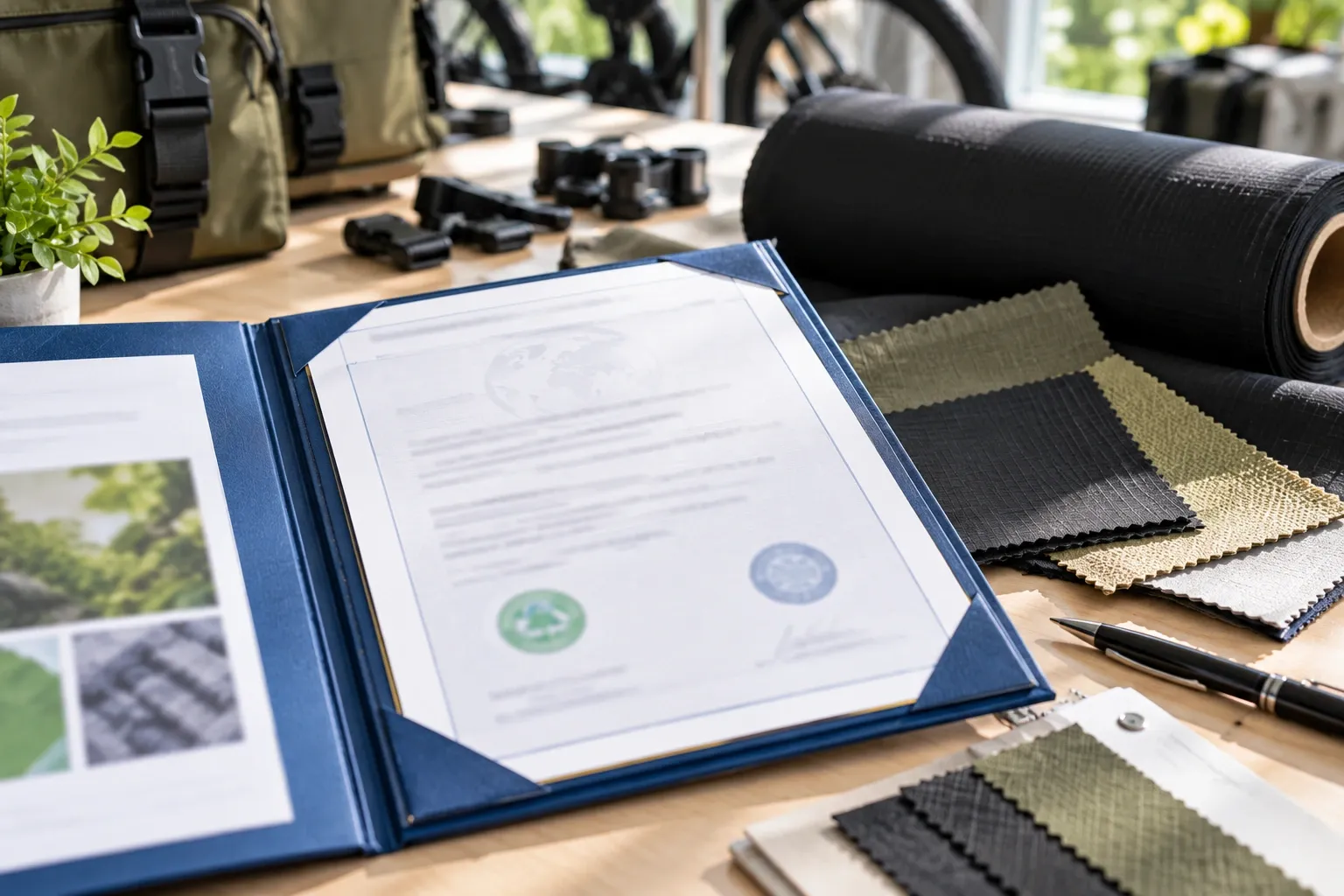
(Figure 1: A Scope Certificate lists the supplier and its covered products - it does not certify every fabric.)
Why does the transaction certificate matter?
The Scope Certificate describes what a supplier is eligible to offer as certified. A Transaction Certificate, or TC, supports the certification claim for the goods covered by that transaction.
This distinction matters when a brand needs evidence for a particular order.
A supplier's SC should therefore be the start of the document review. Confirm the TC arrangements before placing the material order, including the entities and goods it will cover.
Material certification also does not automatically make the finished bike bag GRS certified. If your brand needs a certified finished product or wishes to use a GRS label, establish the required chain of custody and claim approvals before development begins.
Why consider recycled nylon?
Recycled nylon is worth evaluating when your brand has a recycled-material sourcing target and needs documentation to support that choice.
It allows the material discussion to move beyond a general “recycled” description. Buyers can ask about the source category, composition and supporting records for the proposed fabric.
Two distinctions are especially useful:
• Pre-consumer and post-consumer content: these describe different sources of recovered material. Confirm which one your project requires.
• Fabric composition and finished-bag composition: a recycled-content percentage for a woven fabric should not be applied automatically to its coating, backing, lining, hardware or the complete bag.
For coated and laminated materials, request the full construction details. A recycled nylon base fabric combined with PU or TPU is a different material specification from an uncoated fabric.
The right choice depends on your sourcing requirements and the intended product.
Certification and performance need separate checks
GRS documentation does not provide a waterproof rating, abrasion result or UV-resistance result for your chosen material.
For custom bike bags, assess the fabric against its actual use:
• Rain protection: fabric test method and results, plus seam and closure construction.
• Resistance to rubbing: abrasion requirements at contact points.
• Load carrying: tear strength, reinforcement and attachment construction.
• Outdoor exposure: UV and colourfastness requirements.
• Coated or laminated construction: coating adhesion, flexing and relevant ageing requirements.
A pannier carrying daily loads has different demands from a frame bag or battery cover. Start with the use conditions, then select the material and test plan.
Review the finished sample as well. Fabric results alone cannot establish how stitching, openings and attachment points will perform.
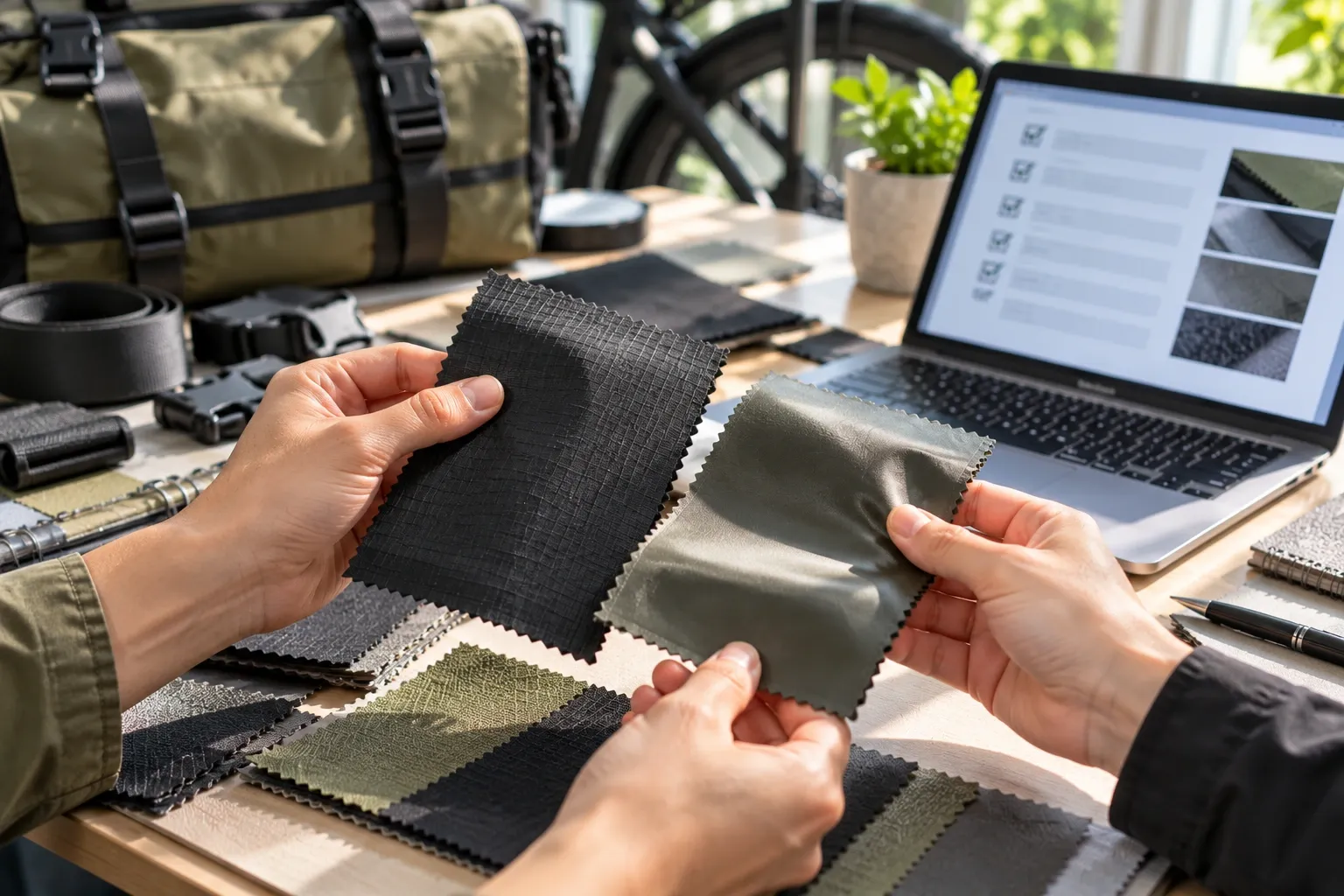
(Figure 2: Swatches and a checklist - certification plus performance checks.)
What to include in your material brief
A clear brief helps your manufacturer compare suitable options and identify document gaps early.
Send:
• The product type, drawings or reference photos.
• Intended use and expected load.
• Target recycled content and any required source category.
• Required certification, transaction documents and label claims.
• Waterproofing, abrasion, UV and other test requirements.
• Colour, expected quantity and target price.
Agree on the fabric specification, document requirements and sample approval criteria before bulk production.
Discuss your custom bike-bag project
At Yagoo, we develop custom bike bags and fabric accessories for e-bike and cargo-bike brands. Send us your product brief and buyer's material checklist. We can review candidate fabrics, check the available supplier documentation and identify what needs confirmation before sampling.
Planning a recycled-nylon bike bag? Send your reference design, expected quantity and certification requirements to start the material review - or contact us at colorwaybag.com/contact-us.
References
• Fulltide Enterprise - material certifications (GRS listed): https://www.fulltide.com.tw/en/safety
• EUR-Lex - Directive (EU) 2024/1760 (due diligence context): https://eur-lex.europa.eu/eli/dir/2024/1760/oj
• colorwaybag.com - materials and QC process: colorwaybag.com/bike-materials-and-qc