Oct 19, 2026Sustainability & Responsible Manufacturing
GRS vs. bluesign: Which Certification Does Your Bike Brand Need?
GRS verifies recycled content; bluesign focuses on chemical safety in production. What EU bike brands ask for - and the documents that prove it.
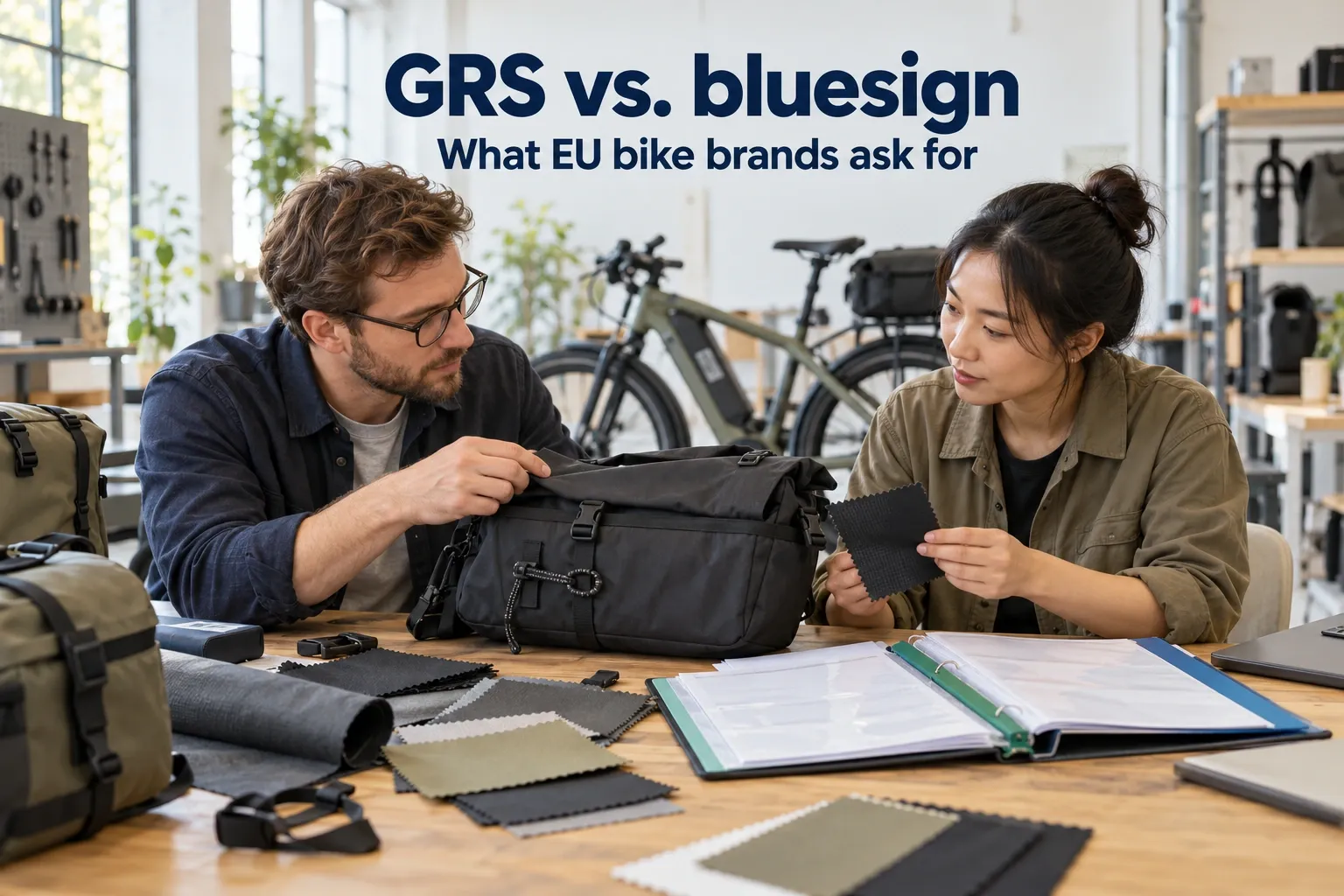
Short answer: GRS verifies recycled content and covers chemical and social criteria. bluesign focuses on safer chemicals in textile production, environmental impact, and human rights due diligence. They are not interchangeable. Many European e-bike and cargo-bike brands ask for both because they need evidence of different things. The key is simple: match the right certificate to the right material, and make sure the documents support your order.
Key takeaways
• GRS verifies recycled content and includes chemical and social requirements.
• bluesign focuses on chemical safety in production, environmental management, and human rights due diligence.
• Both may be needed: GRS supports recycled material claims; bluesign supports safer chemical management.
• Check the documents: certificate scope, validity, and transaction certificates matter more than logos.
• Know who holds the certificate: a certified fabric does not automatically make the finished bag or its manufacturer certified.
GRS vs. bluesign: what's the difference?
GRS: can you prove the recycled content?
The Global Recycled Standard (GRS), owned by Textile Exchange, verifies recycled content and sets requirements for chemical use and social practices.
For a European bike brand developing a recycled nylon pannier or cargo-bike rain cover, the main question is:
Can you prove the recycled content in the fabric used for our order?
A supplier should be able to provide:
• the relevant GRS certificate and its scope;
• validity dates;
• transaction certificates linking certified material to the supply chain.
A general supplier certificate is not enough to prove the recycled content of a specific production batch.
bluesign: how safely was the fabric produced?
bluesign focuses on safer chemical inputs and responsible textile production. Instead of checking only the finished fabric, it looks at chemicals entering the production process and how their risks are managed. Its approach also covers social responsibility and human rights due diligence.
For a European brand, the question is:
Was this fabric produced under a recognized chemical-safety system?
This matters when choosing coated nylon, polyester, or other technical fabrics for outdoor bike accessories.
The difference: GRS helps verify what recycled material is in the fabric. bluesign addresses how chemicals are managed during production. One does not replace the other.
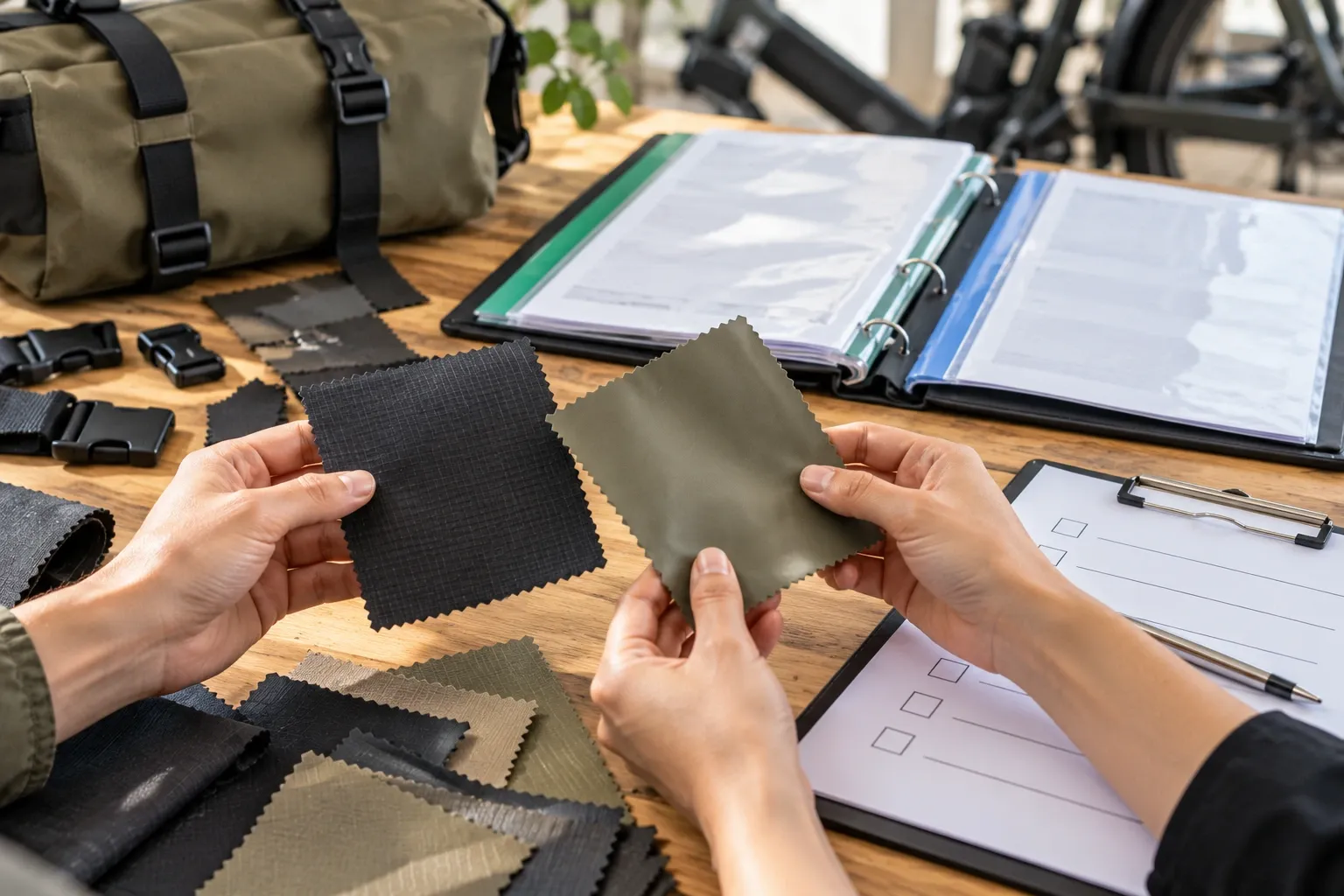
(Figure 1: GRS vs bluesign - two questions, two different documents.)
Why European bike brands ask for both
Imagine your product team is developing a new waterproof pannier using recycled fabric. Your sustainability team wants proof of recycled content. Your product compliance team wants evidence of chemical management. Your procurement team needs documents it can check and keep on file.
That creates three separate questions:
• Is the recycled content certified? GRS can support this claim when the relevant certification and chain-of-custody documents are available.
• Was the fabric produced under a safer chemical management system? bluesign can provide relevant evidence, depending on the material and certification scope.
• What about the factory making the finished bags? Material certification does not replace factory-level evidence.
Brands may separately request:
• ISO 9001 - quality management.
• ISO 14001 - environmental management.
• ISO 45001 - occupational health and safety.
• factory audit reports or social compliance documents.
These documents answer different questions. A certified fabric does not automatically mean the finished bag or the bag factory holds the same certification.
What documents should you request?
Before approving a fabric for production, ask your supplier for five things.
• Certificate name - is the material covered by GRS, bluesign, or both?
• Certificate scope - which fabric, supplier, or production process does the certificate cover? Do not assume every material from the same supplier is certified.
• Validity dates - check that the document is current and relevant to your production.
• Order traceability - for GRS claims, ask about the required transaction certificates and whether the certified material can be traced through the relevant supply chain.
• Factory documentation - request applicable quality, environmental, safety, and social compliance records separately.
A useful rule: never approve a sustainability claim based only on a supplier's logo or brochure. Ask for the supporting documents first.

(Figure 2: The document chain - certificate, scope, transaction certificate.)
What about EU supply chain requirements?
European brands face growing pressure to document their materials and suppliers. Germany's Supply Chain Due Diligence Act (LkSG), in force since 2023, requires covered companies to address human rights and certain environmental risks in their supply chains. The Corporate Sustainability Due Diligence Directive, CSDDD (EU) 2024/1760, also establishes an EU framework for corporate due diligence.
These laws do not automatically require every bike bag to have GRS or bluesign certification. However, they help explain why larger brands request clearer supplier records.
For procurement teams, traceable documents are more useful than general sustainability promises.
How YAGOO BAG supports certified material sourcing
At YAGOO BAG, we manufacture custom bike bags, cargo-bike rain covers, seat cushions, and other fabric accessories for e-bike and cargo-bike brands. We can source GRS-certified and bluesign-approved material options according to your project requirements. We do not claim to hold certifications issued to our material suppliers.
Our role is to help you:
• select suitable materials for your product;
• request relevant certificates from material suppliers;
• check certificate scope and validity;
• coordinate the available documentation for your order;
• identify missing documents before production.
Where required, we can also discuss material testing and quality control requirements before sampling. Our standard development timelines:
• Sampling: 7-12 days.
• Production: 45-55 days after sample approval and deposit.
Certificate availability and traceability must be confirmed for each selected material and order.
FAQ
Is GRS better than bluesign?
Neither is automatically better. GRS focuses on recycled content, with additional chemical and social requirements. bluesign focuses on safer chemical management in production, alongside environmental and social responsibility. Choose according to the evidence your brand needs.
Can one fabric have both GRS and bluesign?
Yes, provided the material meets the relevant requirements and the supporting documents are available. Always verify the exact material and certification scope.
Does GRS-certified fabric mean the finished bike bag is GRS-certified?
No. A certified material does not automatically give the finished product a certified status. Additional chain-of-custody and certification requirements may apply.
Can YAGOO BAG provide certified fabrics?
We can source certified material options and request supporting documents from our suppliers. Availability depends on the selected fabric and order requirements.
Developing bike bags for the European market?
Whether you are designing recycled nylon panniers, waterproof cargo-bike covers, or custom seat cushions, material documentation should be checked before sampling. Send us your buyer's sustainability checklist and product drawing. We will help you match the required certifications to available materials, identify documentation gaps, and discuss a suitable sampling plan.
References
• BMAS - German Supply Chain Due Diligence Act: https://www.bmas.de/EN/Europe-and-the-World/International/Supply-Chain-Act/supply-chain-act.html